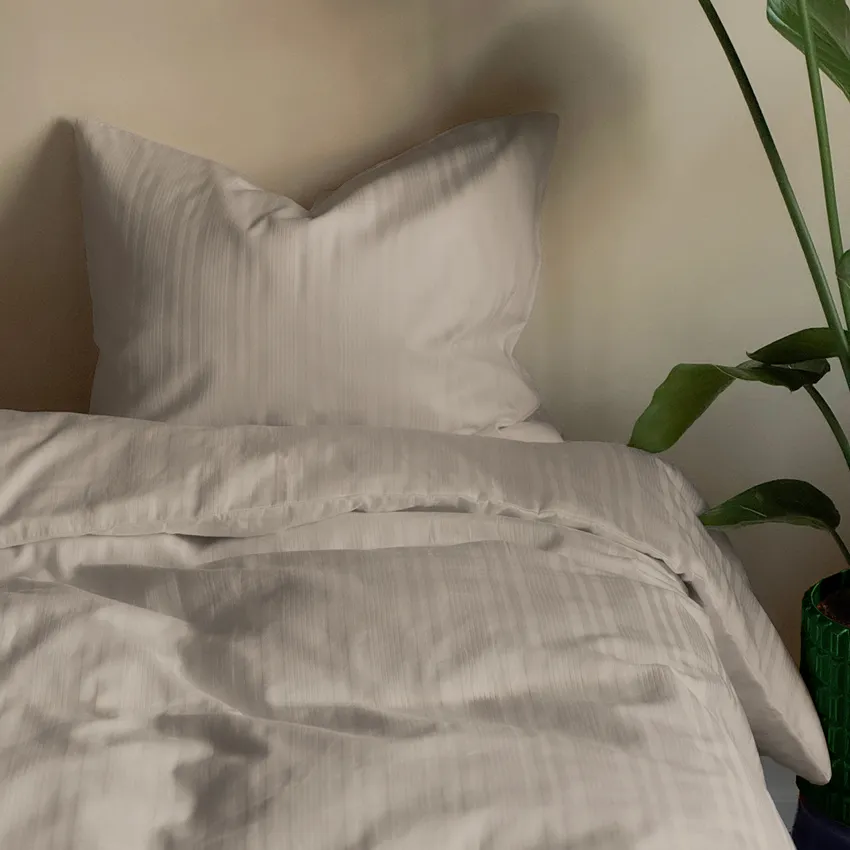
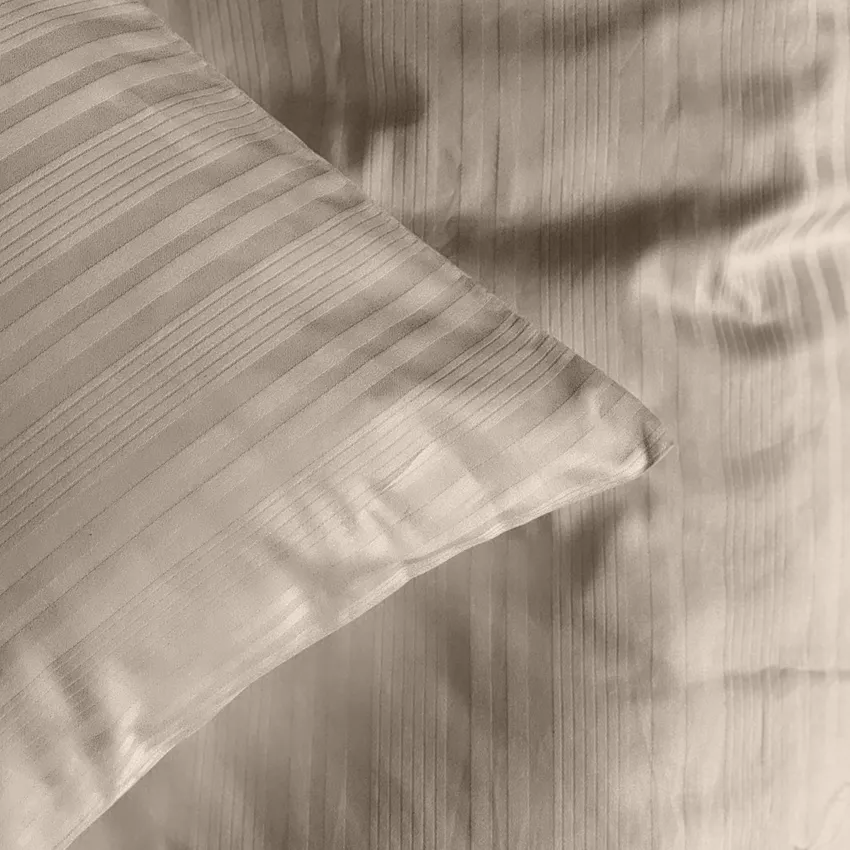



Light Brown
Organic SatinTeddy 2-piece duvet cover set, Light Brown

100% Organic
OEKO-TEX Certified
Nordic Swan Ecolabel
See all variants
Close

Light Brown
Organic SatinTeddy 2-piece duvet cover set, Light Brown
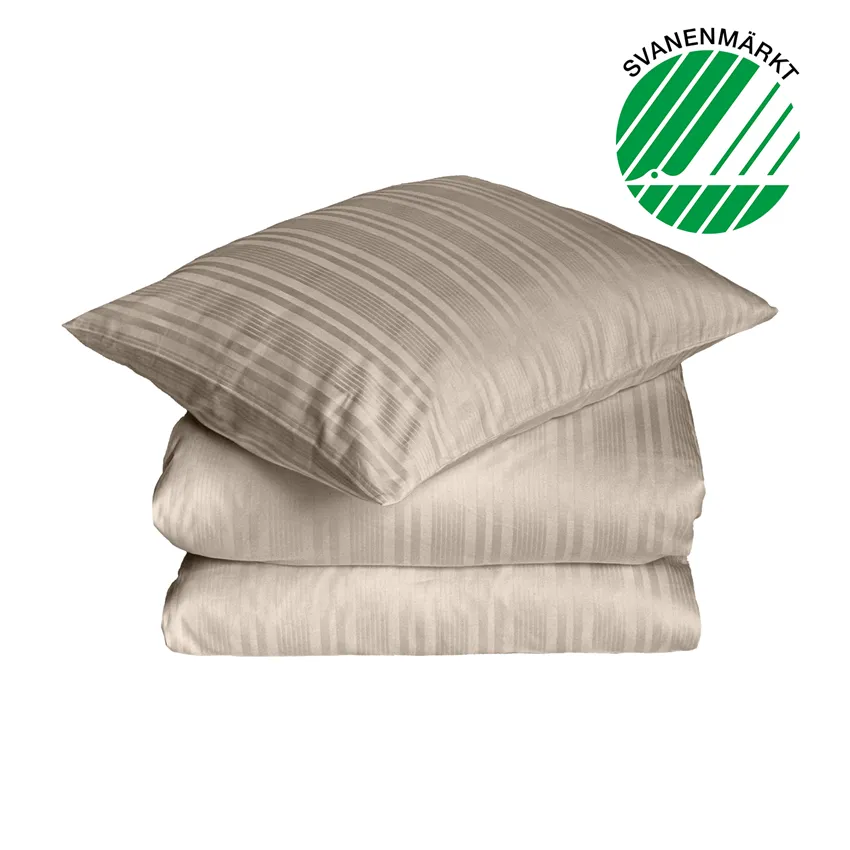
Size 150x210cm
900+ In stock

Summering
Quantity:
0 St
Price:
0 kr
Navy Blue
Organic SatinTeddy 2-piece duvet cover set, Navy Blue
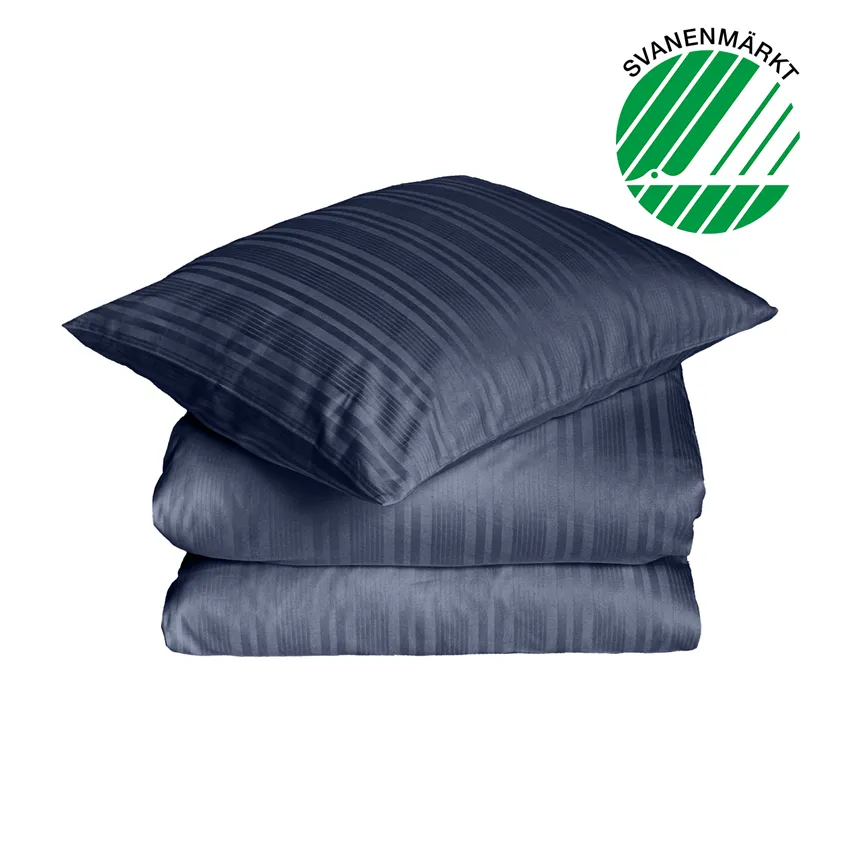
Size 150x210cm
900+ In stock
Summering
Quantity:
0 St
Price:
0 kr
White
Organic SatinTeddy 2-piece duvet cover set, White
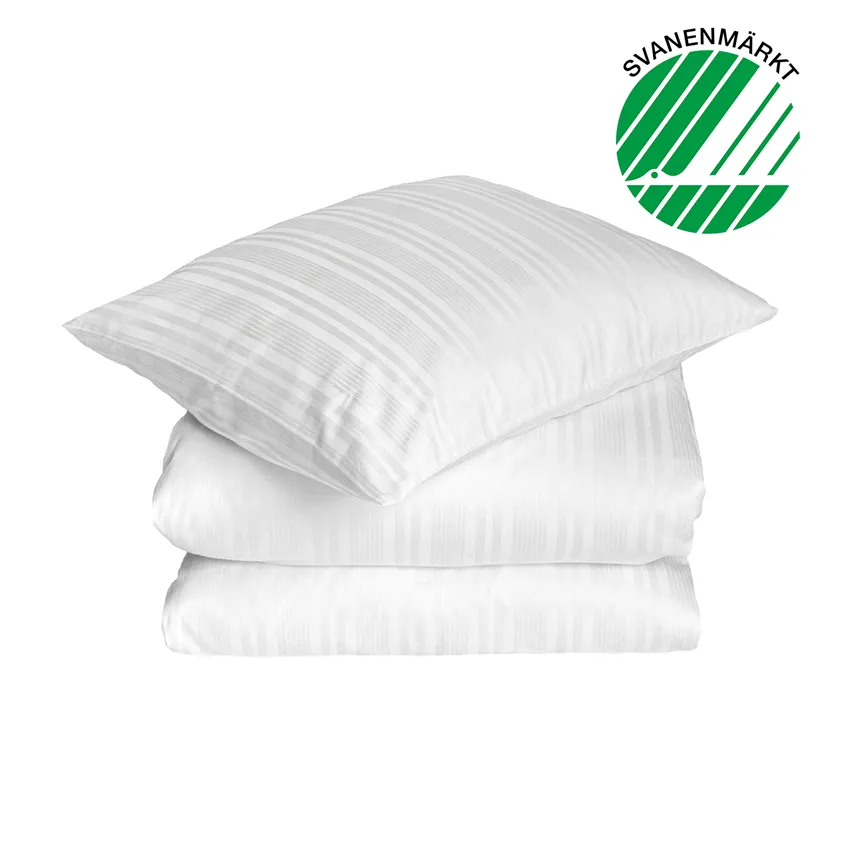
Size 150x210cm
588 In stock
Summering
Quantity:
0 St
Price:
0 kr
Quantity:
0 st
Total
0 kr
Product description
Details
Dimensioner
150x210cm
Material
Organic cotton
Care instructions
Material

Every action we take is like dropping a stone in a pond – it creates ripples. The more of us who take responsibility and make active choices for a better tomorrow today, the greater the effect. Alone we are strong, but together we’re stronger.
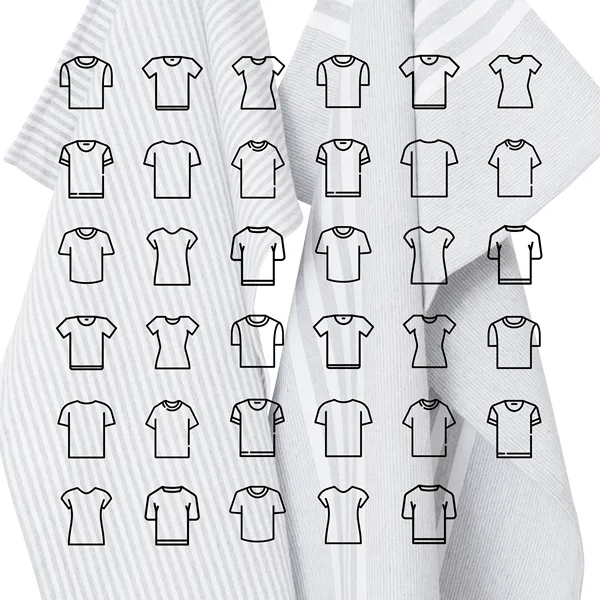
Did you know that at Recycled by Wille, We use leftover fabric from the production of around 35 t-shirts to make one of our tea towels?

Did you know that at Recycled by Wille, we save around 225,000 liters of water per day by recycling leftover textiles compared with using new materials? That's as much water as 1,607 Swedes use every day at home.
 Your item has been added to the cart!